
Planning for disasters involves the whole community
Being prepared for any type of emergency or disaster is critical for both individuals and communities. And the Americans with Disabilities Act (ADA) still applies in an emergency, which is why it’s especially important for people with disabilities to be aware of and be involved in emergency planning and preparedness.
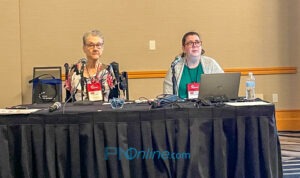
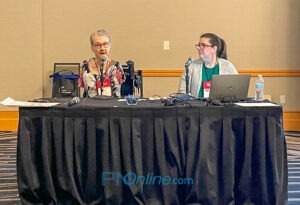
Jan Garrett, deputy director of ADA programs for the Pacific ADA Center and Stephanie Miller, emergency and disaster resilience navigator for the Arizona Statewide Independent Living Council, covered some of those ADA rights and responsibilities during a session on Wednesday’s final day of the National ADA Symposium at the JW Marriott Phoenix Desert Ridge Resort & Spa in Phoenix.
According to the the U.S. Centers for Disease Control and Prevention, more than one in four people in the U.S. has a disability, yet The Partnership for Inclusive Disaster Strategies says emergency preparedness has historically excluded people with disabilities. But Miller says emergency planning must encompass the whole community, including people with access and functional needs, ADA coordinators, first responders, emergency managers, community-based organizations, clinicians, local leaders, business owners, transportation providers, durable medical equipment providers, battery and power providers, pharmacies and more.
“A lot of times emergency managers perhaps mean well and want to plan in the right way, but they often just don’t know what they don’t know,” Garrett says. “So, if they don’t involve the disability community or other people with access and functional needs, then they’re not incorporating those issues in that they need to and they’re assuming that they know.”
The ADA covers both Title II state and local government emergency operations and Title III privately owned public accommodations, such as the American Red Cross, nonprofits and privately operated shelters.
In emergencies, the ADA applies to preparation, notification, evacuation and transportation, shelters, recovery, decontamination processes and point of distribution areas. Private businesses and nonprofits must remove architectural and communication barriers when readily achievable, and they have to provide effective communication. In addition, the ADA requires reasonable modifications to policies, such as allowances for service animals or access to refrigeration for medication in emergency shelters.
“You also just need to make sure that you’re thinking about disability all along the way, not just in planning for the disaster, which is really important, but in the points afterwards, as well,” Garrett says.
Miller and Garrett outlined the five functional needs in an emergency or disaster called the CMIST framework, which was developed by disability policy consultant June Isaacson Kailes and occupational therapist and consultant Alexandra Enders. The acronym stands for communication; maintaining health; independence; support, safety and self-determination; and transportation.
Miller says communication refers to the ability to access and understand disaster-related messages, information and instructions throughout the disaster cycle, including in shelters and other public areas. She says it’s useful to provide links along with QR codes since not everyone can scan a QR code, and digital media must be accessible for those using screen readers or navigating with a keyboard. Other communication methods include radio broadcasts or wireless phone alerts. Miller encourages people to keep backup solar-powered chargers for phones in case of power outages.
For maintaining health, Miller says it is critical to provide access to equipment, medication supplies, bathroom facilities, hygiene and other medical needs, and having access to these can mean the difference between maintaining a person’s health and having issues that require hospital care or nursing home placement during or after a disaster. Policies should be modified to avoid separation from devices, equipment, service animals, personal assistants or caregivers.
“Because keep in mind, people may have had to abandon their mobility devices when they had to evacuate. So, you may need to look at how you might be able to make them as independent as possible with other mobility devices,” Garrett says.
Independence covers supplying or replacing the supports that help people maintain their independence and perform their activities of daily living or maintain their pre-disaster level of independence, including connecting people with assistive technology, service animals and caregivers.
“People may have lost their caregiver, for instance, because their caregiver has had to go to a different shelter or a different evacuation zone,” Garrett says. “They may feel stress in a new environment. They may struggle to understand or remember what might be happening or what facts they need to know. Everybody is experiencing trauma during a disaster. So, keep that in mind as you’re trying to work with with everyone, including people with disabilities and people with access and functional needs.”
Support, safety and self-determination includes those who need the support or supervision from other people to understand situations, to react appropriately and take actions that lead to self-determination and protection of themselves.
Lastly, transportation covers the ability to travel from one place to another safely and accessibly, especially when roads may be blocked or typical transportation is unavailable. Emergency managers might consider coordinating with mass transit, paratransit providers, rental car agencies, tour bus companies, faith-based organizations, shuttle services and senior centers.
“So, not only for an evacuation, but in general to get supplies or to get to another area where you you need to get after the disaster. You need to get more supplies afterwards,” Garrett says. “And so you want to have ways of being able to make that transportation available and accessible.”
But as vital it is for communities to have emergency plans in place that follow the ADA, Garrett says individuals with disabilities must also take it upon themselves to ensure they are prepared.
“It’s critically important for everybody, particularly people with disabilities, to have their own personal emergency preparedness plan,” Garrett says. “What are they going to do in the event of a disaster? Who’s going to provide that assistance? Who’s going to provide that transportation?”