Abilities International Accessibility Conference kicks off in California
It’s no secret that living with disability is expensive. Medicaid, insurance and grants only go so far. And that’s where the nonprofit Help Hope Live steps in.
As part of the first Los Angeles Abilities International Accessibility Conference, which kicked off Thursday and runs through Saturday at the Long Beach Convention Center in California, speakers Kelly Green and Sonny Mullen presented a session titled Yes, You Can Afford That —How to Fund the Care You Need.
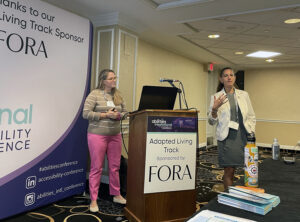
In conjunction with the Abilities Expo, one of the largest events in the country that showcases adaptive equipment and resources, the new accessibility conference component this year is geared toward helping complex rehabilitation technology professionals who care for people with disabilities, including spinal cord injury and disease.
Green and Mullen introduced attendees to their nonprofit, Help Hope Live, which helps people raise funds for out-of-pocket medical expenses, including care attendants, service dogs, adaptive sports equipment, home modifications, adapted vehicles and more.
“If we can find a way to bring it back to your injury or illness, your diagnosis, we will help you fundraise toward it,” Mullen says.
Green says the organization was started about 43 years ago to help people access the tools they require. They partner with individuals to start fundraising campaigns, both in person and virtual, within their communities and offer guidance and support.
Help Hope Live verifies patients’ medical conditions with their doctors, and all donations are made to the nonprofit and administered by them, so funds typically won’t count against other benefits. In addition, all donations are tax deductible to donors.
“We understand that access to quality care is reserved for those who can afford it, and that is just not a fair system,” Green says. “So, Help Hope Live has been there to kind of step in that ground and say, ‘We’re going to figure out a way that you can responsibly get what you want and need for your condition. And we’re not going to limit you by what insurances you have access to.’”
Mullen says some patients are uncomfortable asking for help, don’t know where to start, don’t believe they know anyone who will help them or think they missed their chance to start fundraising.
But the Help Hope Live client services team works one-on-one with clients to create fliers, business cards with QR codes for donations and social media campaigns to share their story. They also let clients know about what types of fundraisers they could conduct, from cornhole tournaments to T-shirt sales to percentage of sales nights at local restaurants. The organization also has about 30 ambassadors with a variety of conditions throughout the country who are available to give advice.
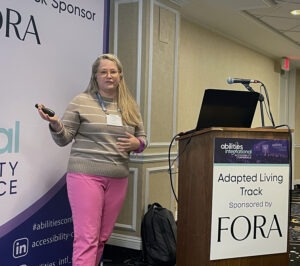
“The first step they need is that they need the motivation to do fundraising,” Mullen says. “And they need a community amongst whom they will do that fundraising. As far as the comfort levels of putting your story out there, it is up to the individual if you want to make your campaign page with us public or private, so that other people can find the page. If you make the page private, totally up to you, but then no one will be able to find it. You would always have to be the one sharing the link.”
Mullen and Green say the problem with noncharitable platforms, like GoFundMe, for those on Medicaid is that the money counts toward their assets and taxable income and could result in a loss of benefits. Because Help Hope Live disburses funds directly to providers or vendors after receiving a bill, it’s not considered taxable income.
Besides fundraising help, Help Hope Lives offers Hope Talks webinars on YouTube and four free Wonders on Wheels virtual adaptive exercise classes. Participants in the classes do not have to be Help Hope Live clients to join. Medical professionals can also access emergency grants for one-time needs, such as a patient who must relocate for a treatment.
“It’s just more resources that we’re trying to provide our community,” Mullen says. “While yes, we’re helping them fundraise, we’re really trying to help the community round out their quality of living, as well.”
The organization charges a 3% administration fee on donations and 2.65% credit card fees for people who choose to donate online. Donors have the option to cover the fees as part of their donation. Mullen says the organization hopes those fees will go down as they grow and help more people in the community.
“And so, we’re here for the lifetime of that individual to honor the donor’s intent and to pay their medical expenses out of that region,” Mullen says. “If someone chooses to close their campaign or if they pass away and there are still funds available, we can assist with basic funeral costs, any outstanding medical costs at that point. But then the funds will stay within the region to assist others within that region. And we can occasionally pay above and beyond what someone might need from those regional funds, as well.”
For more information, visit helphopelive.org.