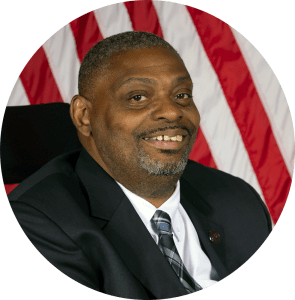

The voice of PVA’s national president carries the weight of tens of thousands of veterans into the halls of Congress
By Robert Thomas Jr.
Each year in March, the Paralyzed Veterans of America (PVA) national president is afforded the chance to provide oral testimony before a joint session of the House and Senate Committees on Veterans’ Affairs in Washington, D.C.
PVA National President Robert L. Thomas Jr., gave his testimony before the committees on March 4. It was a key opportunity for Thomas to speak directly with congressional leaders about the importance of the Department of Veterans Affairs’ (VA) specialized care services, veterans benefits, civil rights and caregiver support.
It’s the tradition of PN to publish the PVA national president’s oral testimony from that hearing. The following is Thomas’.
“Chairman [Jerry] Moran [R-Kan.], Chairman [Mike] Bost [R-Ill.], and members of the committees, thank you for the opportunity to speak with you today on behalf of the tens of thousands of veterans with spinal cord injuries and disorders who rely on VA benefits and care.
“The VA is the best health care provider for veterans with catastrophic disabilities. The department’s spinal cord injuries and disorders system of care provides a coordinated, lifelong continuum of services. There is no comparable private system of care in this community. Thus, preserving and strengthening VA’s specialty care systems remains PVA’s highest priority, and it should be for you, too.
“When I appeared before these committees last year, I spoke about the ways that ongoing staffing deficiencies and infrastructure problems were undermining not just VA’s SCI/[D] [spinal cord injury and disease] system of care, but VA’s specialized services in general. Not much has changed since then, and it is frustrating to have to bring up this year after year without resolution.
“Unfortunately, the previous administration’s practice of simply eliminating unfilled positions continues. This is extremely concerning because it presents the illusion that staffing levels are better than they really are. And I must call a foul on this, because at the same time positions are being eliminated, it can be difficult to fill them due to the staffing caps and funding limitations.
“I urge you to continue to press the VA for answers regarding how it plans to care for the tens of thousands of veterans with SCI/D who are on its registries and depend on the VA for quality, timely direct care. This cannot be allowed to continue for another year.
“Access to lifelong services and supports continues to be crucial for PVA members. We are very appreciative of Congress’ passage of the Senator Elizabeth Dole Act [Senator Elizabeth Dole 21st Century Veterans Healthcare and Benefits Improvement Act]. VA says the Veterans Directed Care program is now available at all major VA facilities, but the feedback we have suggests some programs exist in name only or serve few veterans. Congress must ensure that the Elizabeth Dole Act’s provisions are carried out as intended.
“Another important aspect of lifelong supports is VA’s Bowel and Bladder program. For veterans with SCI/D, support for neurogenic bowel and bladder dysfunction is a crucial aspect of their care.
“Unfortunately, VA’s current Bowel and Bladder program is fraught with challenges for caregivers. Timely reimbursement and the tax treatment of payments are the two chief complaints I hear.
“Codifying the program would provide the opportunity to fix many of these problems. I thank Chairman Moran for his bill, the Disabled Veterans Dignity Act, which would help to address these issues. We also appreciate the interest from the House in introducing a similar bill that includes provisions addressing the taxability issue.
“Another area of concern is transportation to VA care. We are very concerned about new VA guidance that ends facility prepayment of round-trip common carrier airfare for veterans traveling to VA SCI/D facilities. This change requires veterans to arrange and pay for travel up front and seek reimbursement after their appointments, effectively preventing many from receiving necessary care. We appreciate that the VA is attempting to figure out a solution to this problem and call on Congress to provide VA any resources, including clear statutory authority, to ensure veterans can access specialty care.
“Finally, special monthly compensation (SMC) is arguably the most important ancillary benefit for veterans with severe, service-connected disabilities. Given the extreme nature of the disabilities incurred by most veterans in receipt of SMC, we do not believe that the impact on the quality of life can be totally compensated for; however, SMC does at least provide these veterans financial resources to help accommodate their individual needs.
“In similar fashion, survivor benefits are intended to protect veterans’ families from impoverishment after the death of a service-disabled veteran. Unfortunately, they don’t always do that, and many survivors who, in many cases were once caregivers, face a financial cliff.
“Congress established the baseline rates for these programs decades ago. They must be updated now. We urge Congress to quickly pass the Sharri Briley and Eric Edmundson’s Veterans Benefits Expansion Act.
Thank you for the opportunity to testify. I would be happy to answer any questions.”